WynneDavies, R Family studies and the cause of congenital club foot talipes equinovarus, talipes calcaneovalgus and metatarsus varusClub foot represents a disruption of complex relationships between bone, ligament and muscle of the foot The most common type of club foot is congenital talipes equinovarus clubfoot, also known as congenital talipes equinovarus, is a developmental deformity of the foot one of the most common birth deformities with an incidence of 12 per 1000 live births each year in the whiteDeformity in congenital club foot in the first year of life could be reduced by operative treatment, and (2) to try by surgery to pinpoint features of congenital club feet that make them resistant to treatment As compared to treatment of 95 feet with manipulation and plaster casts only or with heel cord tenotomy added, early tenotomy of both the heel cord and the tibialis posterior tendon

Clinical Photographs Showing A The Club Feet Of A 1 5 Month Old Baby Download Scientific Diagram
Club foot types
Club foot types-Clubfoot, also known as Congenital Talipes Equinovarus, is a complex, congenital deformity of the foot, that left untreated can limit a person's mobility by making it difficult and painful to walk 1 It is defined as a deformity characterized by complex, malalignment of the foot involving soft and bony structures in the hindfoot, midfoot and forefootIv Stiff foot isteratologic and complex to rectify It is in severe bilateral equinus deformity and requires a broad surgical improvement Clinical Features Congenital clubfoot is differentiated by structural, postural and secondary type The postural clubfoot can occur by abnormal position during birth and manipulative control The


Management Of Foot Deformity In Children Journal Of Orthopaedic Science
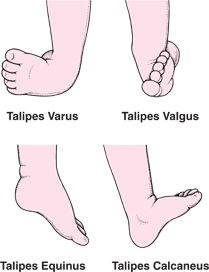
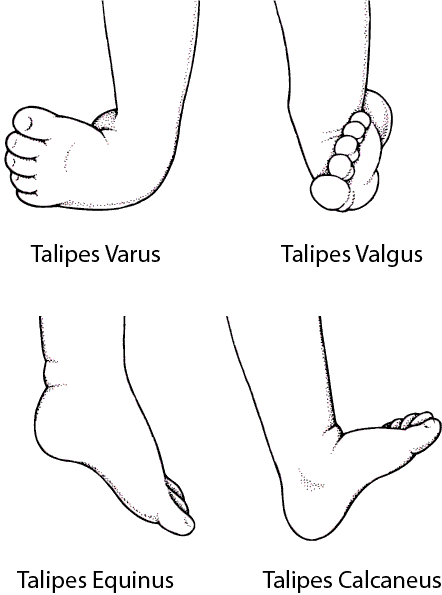
Congenital Club Foot Its Nature And Treatment Unlike some other reproductions of classic texts (1) We have not used OCR(Optical Character Recognition), as this leads to bad quality books with introduced typos There are several types of Clubfoot calcaneal valgus – the foot is angled at the heel with the toes pointing upward and outward matatarusus varus – the front of the foot is turned inward talipes equinovarus – the foot is turned inward and downward Clubfoot can also be divided into two categories an isolated type and a type associated with other congenital birth defectsCongenital Talipes EquinoVarus Congenital Clubfoot Prof Mohamed M
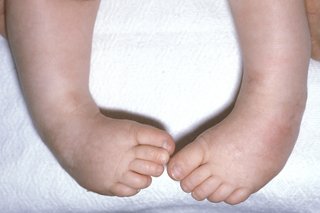
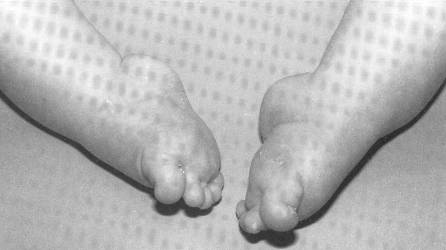
'equinovarus' refers to the position that the foot is in (see below) Talipes is a congenital condition A congenital condition is a condition that you are born withCongenital clubfoot (or talipes equinovarus) is one of the most common congenital musculoskeletal anomalies and is characterized by inward rotation of the foot and a range of bony abnormalities that cause walking difficulties and a significant impairment in the quality of life Antenatal ultrasonography and a thorough clinical assessment in the first several days after birth are essential components of the diagnostic workup CongenitalClubfoot is a congenital foot deformity that affects a child's bones, muscles, tendons, and blood vessels The front half of an affected foot turns inward and the heel points down In severe cases, the foot is turned so far that the bottom faces sideways or up rather than down The condition, also known as talipes equinovarus, is fairly common About one to four of every 1,000 babies are born with clubfoot
Describe 4 types of Congenital Club Foot and 2 risk factors Describe 24 signs and symptoms and 2 possible complications Describe 2 methods of diagnosis of Congenital Club Foot , 2 common treatments, and 23 priority nursing interventions Take this course and learn a new skill today Transform your learning with our all access plan Transform your learning with our allThere are two types of clubfoot Isolated or idiopathic clubfoot is the most common type If your child has clubfoot with no other medical problems, it's called isolated clubfoot Idiopathic means that the cause of clubfoot is not known Nonisolated clubfootCongenital Clubfoot is Clubfoot present at birth Clubfoot is one of the most common congenital deformities About 1 in every 1000 children is born with clubfoot worldwide Congenital Clubfoot is a developmental deformation A normal developing foot turns into a Clubfoot around the 3rd month of foetal life Etiological
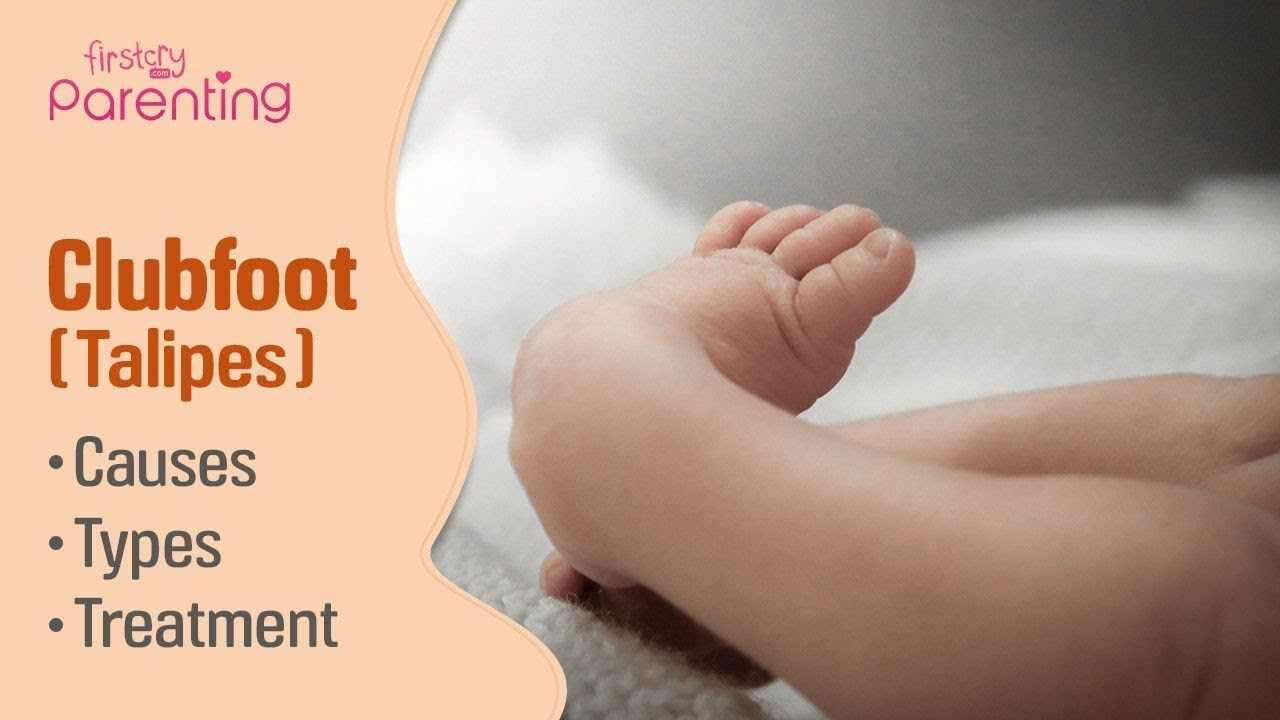
Club Foot Talipes In Babies Causes Signs Treatment Youtube

Clubfoot Congenital Talipes Equinovarus Pediatrics Orthobullets
In congenital idiopathic clubfoot (ie, talipes equinovarus), the infant's foot points downward (ie, equinus) and turns inward (ie, varus), while the forefoot curls toward the heel (ie, adduction) This congenital disorder has an incidence of 1 in 400 live births, with boys affected twice as often as girls Unilateral clubfoot is somewhat more common than bilateral clubfoot and may occur as an Foot deformity symptoms Foot deformities are a wide array of conditions that affect the bones and tendons in the feet A foot deformity can be as common as a bunion or a hammer toe, or rarer like fused toes (tarsal coalition), a club foot, a flat foot, mallet toes and various other foot conditions Talipes is also known as club foot It is a deformity of the foot and ankle that a baby can be born with In about half of babies born with talipes, both feet are affected 'Talipes' means the ankle and foot;
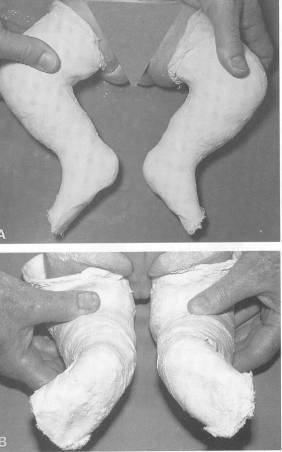
Clubfoot Congenital Equinovarus Cev Team Bone
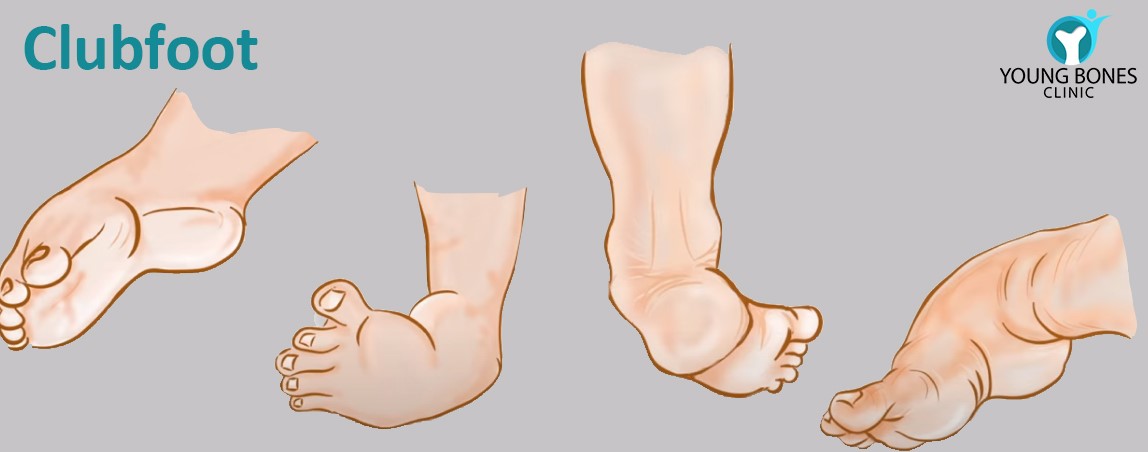
Clubfoot Treatment In Gurgaon Delhi Young Bones Clinic
This Classic article is a reprint of the original work by Ignacio V Ponseti and Eugene N Smoley, Congenital Club Foot The Results of Treatment An accompanying biographical sketch on Ignacio V Ponseti, MD, is available at DOI /s and a second Classic article is available at /s This article is ©1963 by the Journal of Bone and Joint Surgery, Inc, and is reprinted with permission from Ponseti IV, Smoley EN Congenital Club Foot The congenital club foot Article in German Kircher E, Biehl T The congenital clubfoot of infancy today is curable in 90% of cases Aim of the treatment is normalization of form, function and growth With combined therapy according to Imhäuser optimal results are possible 1 Immediately after birthdepending on the general condition of the newbornreposition of all Congenital clubfoot is present at the time of birth and affects the foot or ankle There is no known cause for clubfoot, and it is twice as common in male children as it is in female children The frequency of congenital clubfoot is approximately 1 per 1,240 live births In children with clubfoot, there is a subtle imbalance in muscle forces in the lower leg resulting in the foot
1

Clubfoot And Its Treatment Dr Michael Vohrer
The French Method consists of daily manipulations of the infant's clubfoot, stimulation of the muscles acting on the foot to maintain the reduction achieved through manipulation, and foot immobilization using nonelastic adhesive strapping Treatment usually lasts over a course of approximately two months and is then gradually reduced Improvement typically occurs withinCongenital clubfoot, talipes equinovarus, is a musculoskeletal deformity of the foot Clubfeet are considered flexible if they are correctable without surgery and resistant if surgical release is required for correction Incidence Clubfoot is present in approximately 1 in 1000 live births in the United States The percentage of clubfoot varies greatly with ethnicity Age Clubfoot isCongenital Club Foot The results of T reatment J Bone Joint Surg Am 1963; 33 P onseti IV, Laavege SL Long term results of congenital clubfoot J
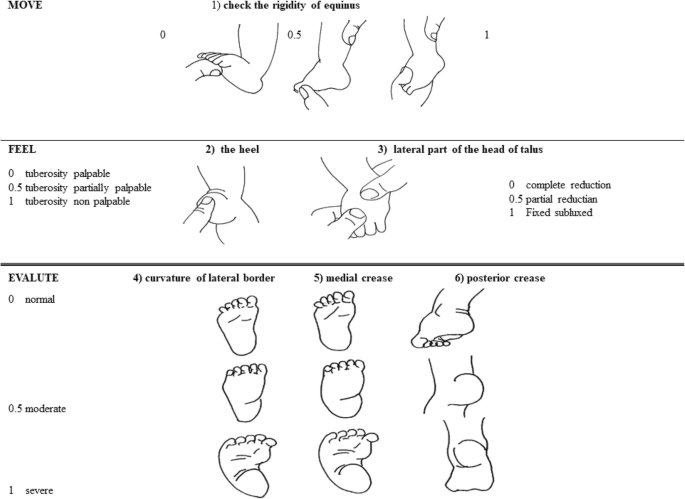
What A Paediatrician Should Know About Congenital Clubfoot Italian Journal Of Pediatrics Full Text

Ch 13 Congenital Clubfoot Talipes Med Easy
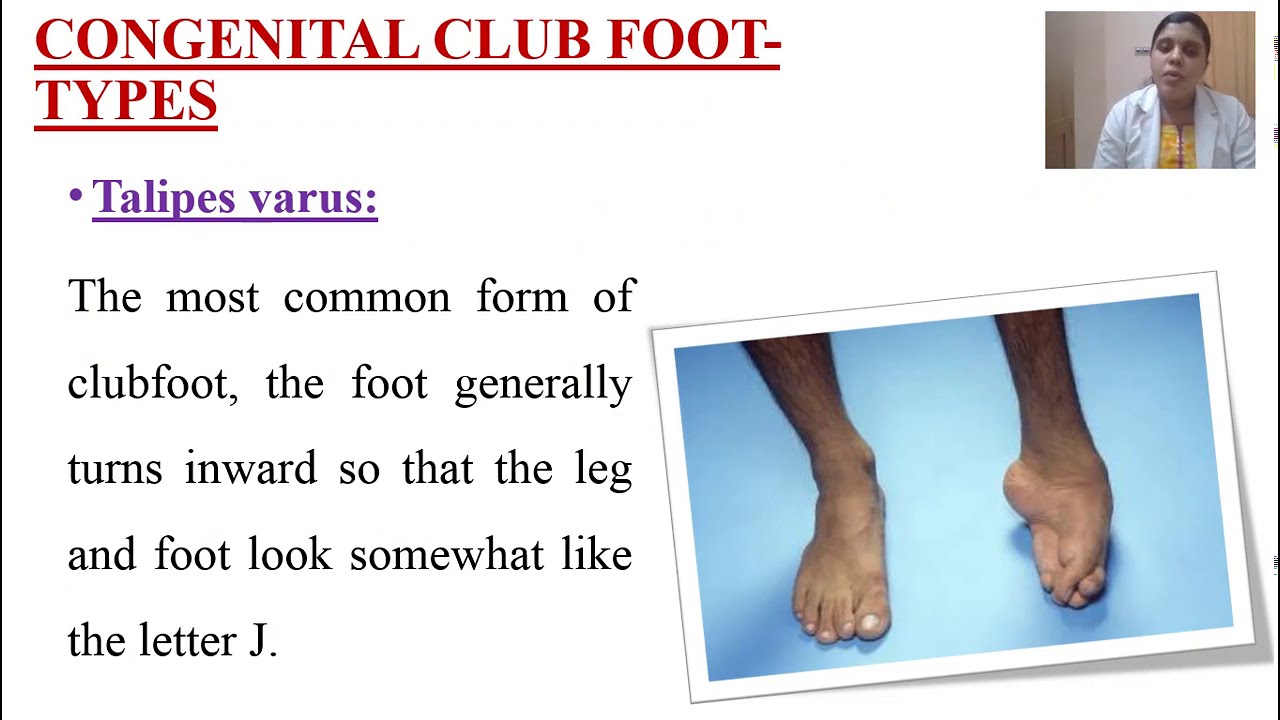
With this type of clubfoot, the foot is turned in sharply and the person seems to be walking on their ankle A clubfoot, also known as club foot, congenital talipes equinovarus (CTEV), or talipes equinovarus (TEV) is a congenital deformity (present at birth) in which the affected foot appears rotated internally at the ankle the foot points down and inwards and the soles of theClub foot is also known as Talipes Equino Varus It is a common condition, in which new born feet points medially and downward This condition is diagnosed at birth More common in males than females Incidence is 1 per 1000 live birth Types of Clubfoot Club feet can be classified in three different ways – Etiological(12%) of the remaining babies with foot deformities Thedefects arelisted in Table6 Congenital Defects in Older Sibs In all, the control babies had a total of 140 older sibs Of these, 5 (36%) were known to have had severe congenital malformations (Table 7) The babies with talipes equinovarus had 30 older sibs and 4
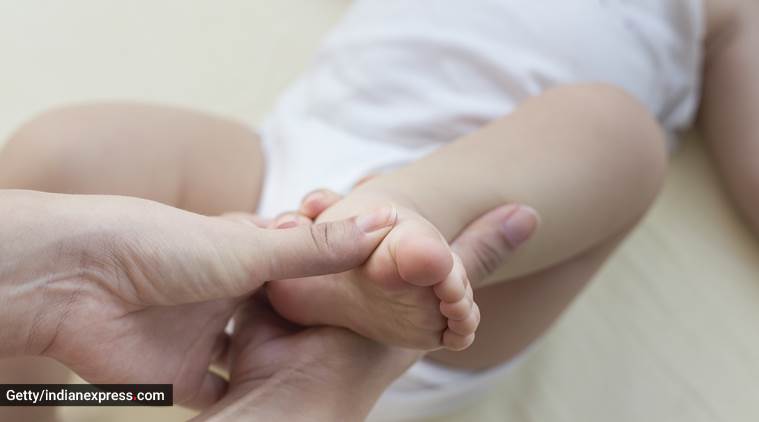
On World Clubfoot Day An Expert Answers All Your Questions About The Birth Deformity Parenting News The Indian Express
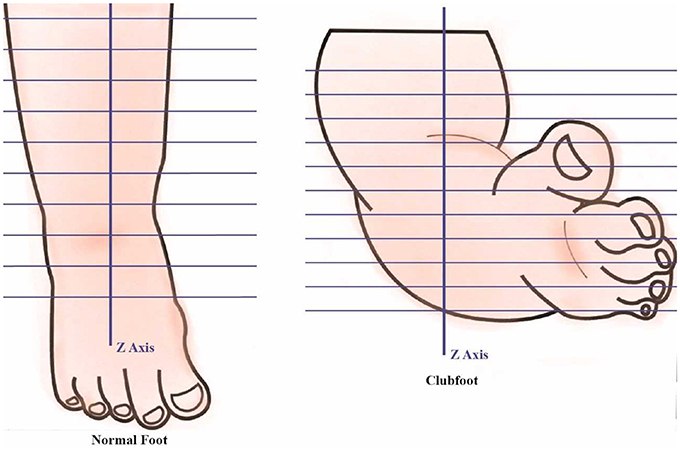
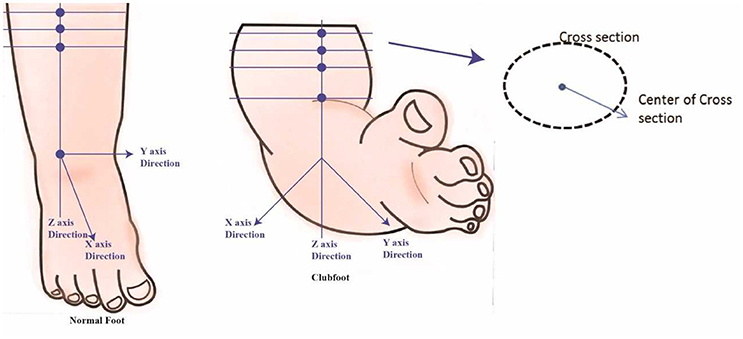
Frontiers Developing A Three Dimensional 3d Assessment Method For Clubfoot A Study Protocol Physiology
Clubfoot is a deformity of the whole foot that is present at birth There are several types of clubfoot that are jointly known as 'talipes', as the deformity is mostly in the talus (a bone in the ankle) The most common of the talipes is what is known as "talipes equino varus" it is so common that the word clubfoot is commonly used to refer to this In talipes equino varus, the child is bornCongenital club foot types Clubfoot, also known as talipes equinovarus (TEV), is a common foot abnormality, in which the foot points downward and inward It occurs twice as often in males than in females Signs of clubfoot include a short and/or tight Achilles tendon (heel cord) and a heel that is turned in Talipes calcaneovalgus (dorsal flexion of the forefoot with the Causes Positional If

Pdf Current Conservative Management And Classification Of Club Foot A Review Semantic Scholar
Clinical Photographs Showing A The Club Feet Of A 1 5 Month Old Baby Download Scientific Diagram

Clubfoot Eorthopod Com
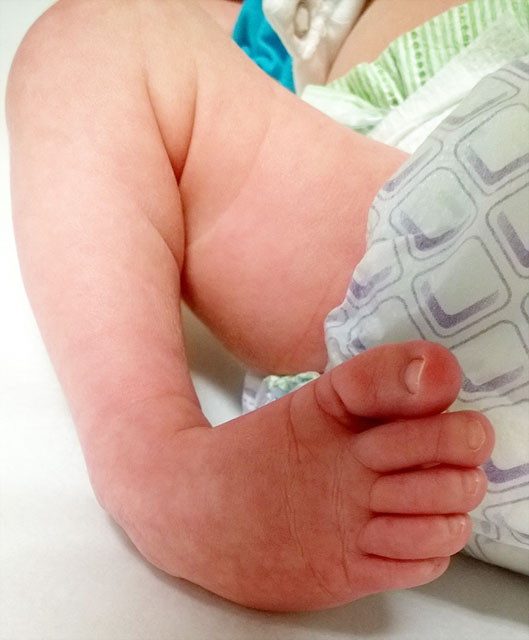
Clubfoot Johns Hopkins Medicine

Congenital Clubfoot Genetic Disorders Types Of Clubfoot
Management Of Foot Deformity In Children Journal Of Orthopaedic Science
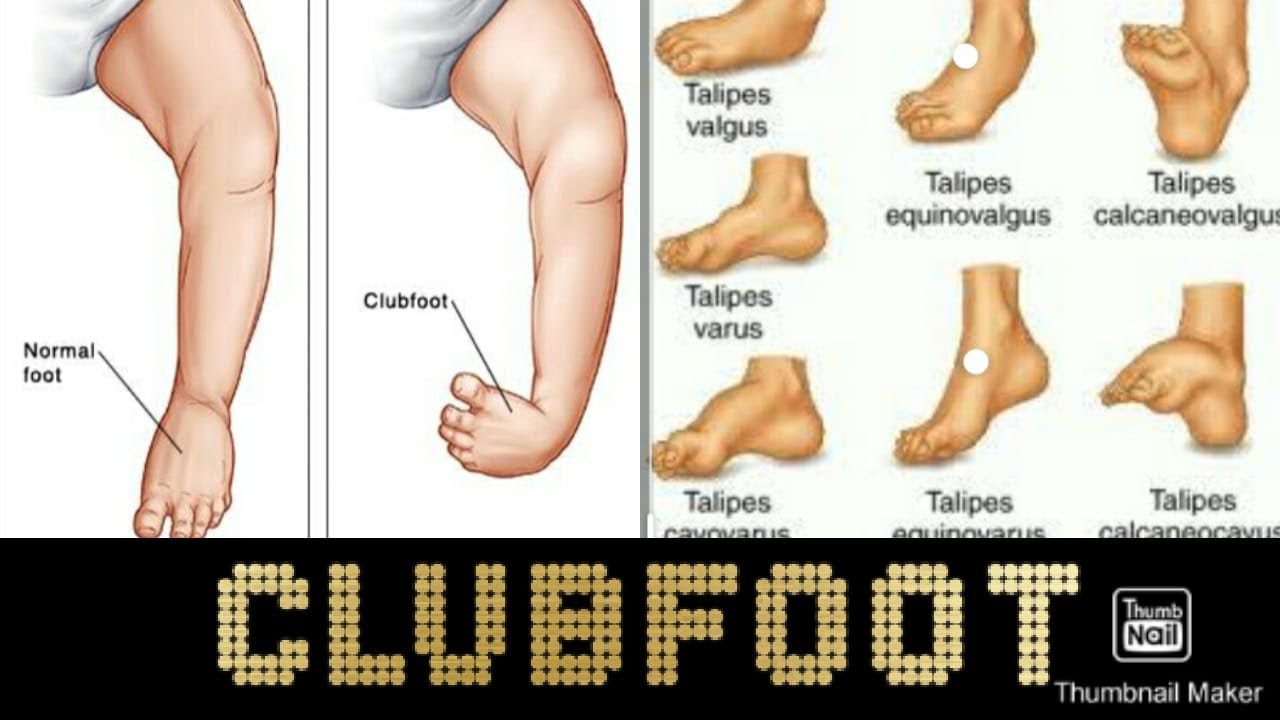
Clubfoot Its Types And Causes Simplified In Hindi Youtube

Scielo Brasil Pe Torto Congenito Pe Torto Congenito
Clubfoot Orthoinfo os
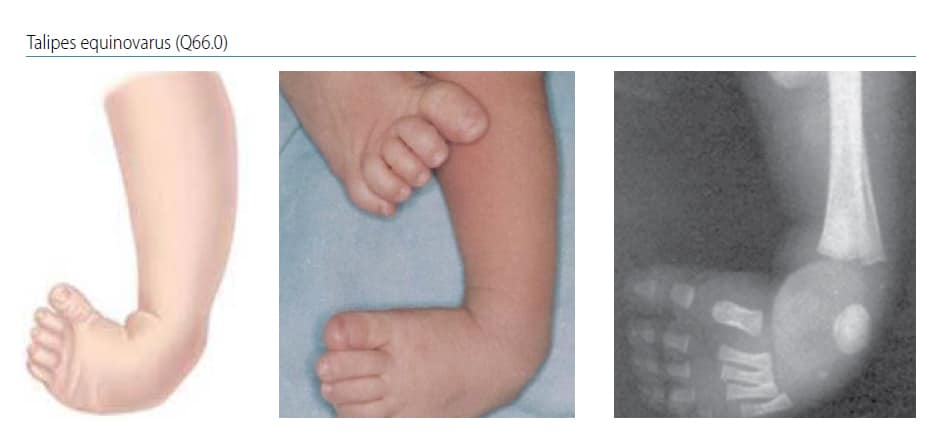
Chapter 4 9 Talipes Equinovarus Talipes Equinovarus Q66 0 Cdc

Challenging Clubfeet The Arthrogrypotic Clubfoot And The Complex Clubfoot Journal Of Children S Orthopaedics

Treatment Of Relapsed Residual And Neglected Clubfoot Adjunctive Surgery Journal Of Children S Orthopaedics
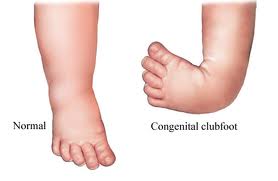
Introduction To Clubfoot Physiopedia

Clubfoot Congenital Talipes Equinovarus Narayana Health
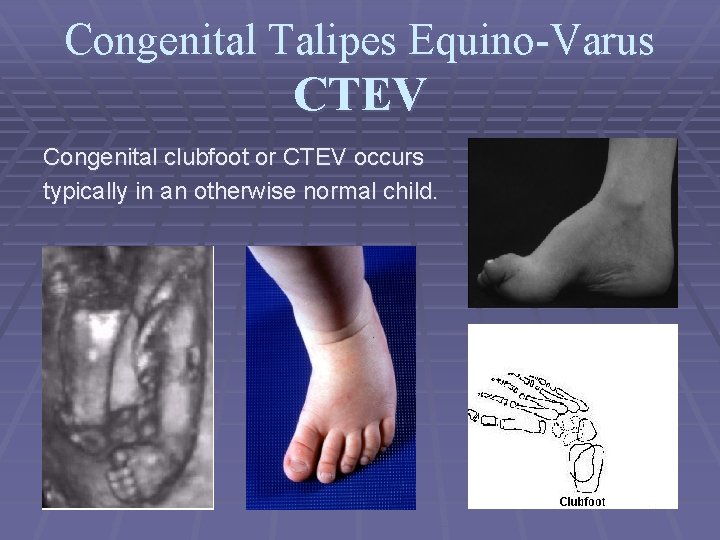
Congenital Talipes Equinovarus Congenital Clubfoot Prof Mohamed M
1

Clubfoot Nurse Key

What Is Clubfoot Or Congenital Talipes Equinovarus Or Ctev Symptoms Causes Diagnosis Physiotherapy Treatment Of Clubfoot Or Congenital Talipes Equinovarus Or Ctev

Clubfoot Congenital Talipes Equinovarus Narayana Health
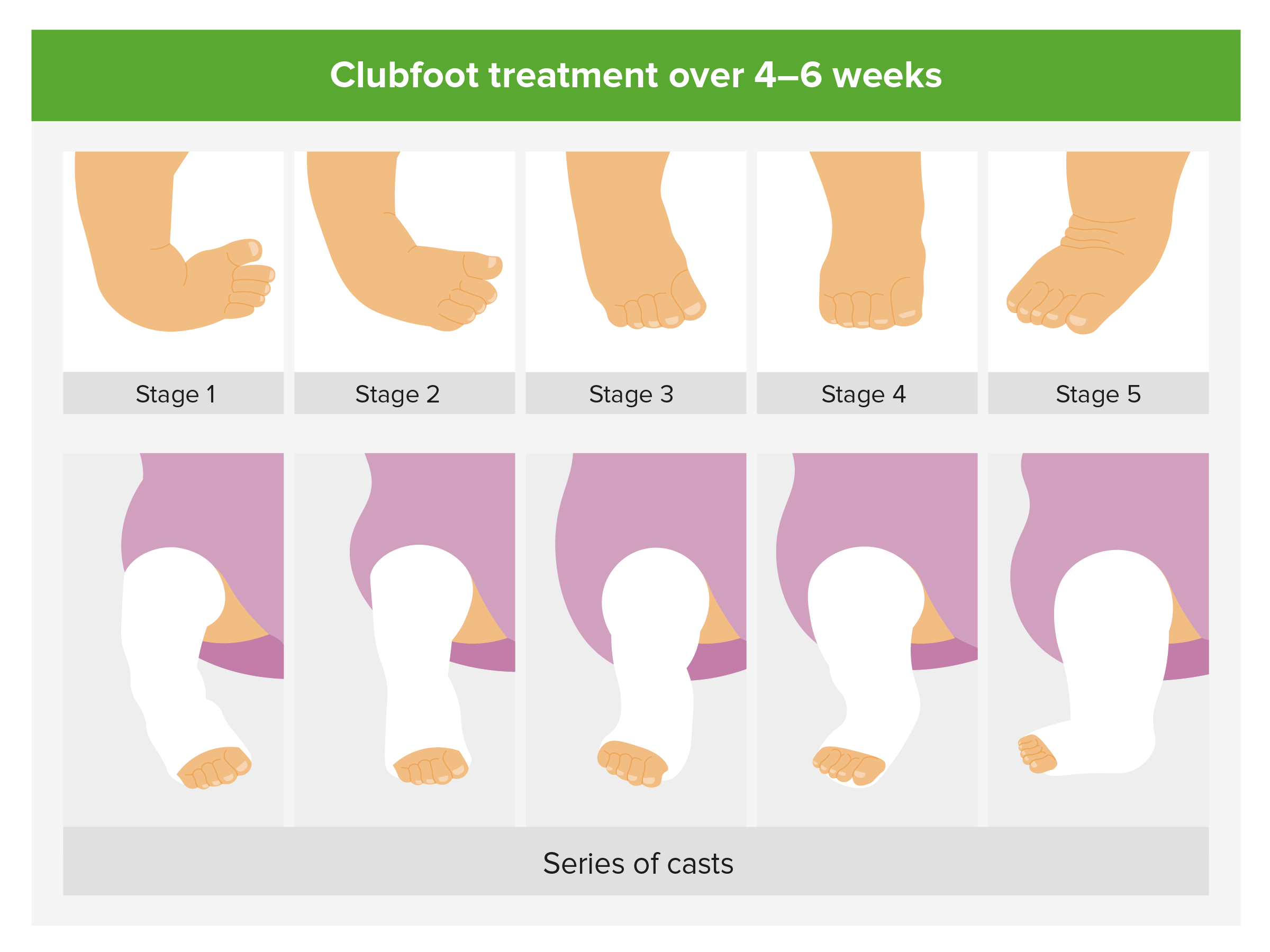
Foot Deformities Concise Medical Knowledge

Common Childhood Foot Deformities Consultant360

Clubfoot Flip Ebook Pages 1 Anyflip Anyflip
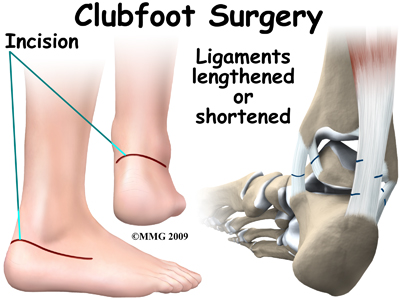
Physical Therapy In Plymouth For Pediatric Issues Clubfoot
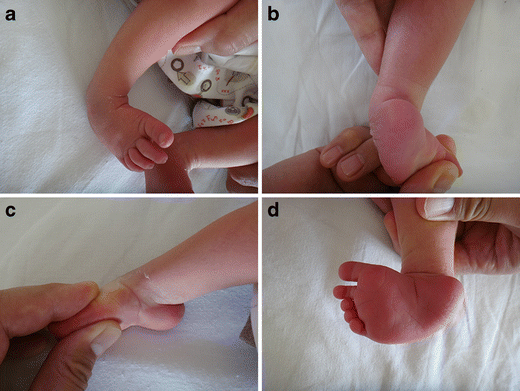
Congenital Clubfoot Early Recognition And Conservative Management For Preventing Late Disabilities Springerlink
Clubfoot Repair Treatments Procedure Outlook

Diet Exercise Of Clubfoot I Can Do Not Going To Doctor Rxharun
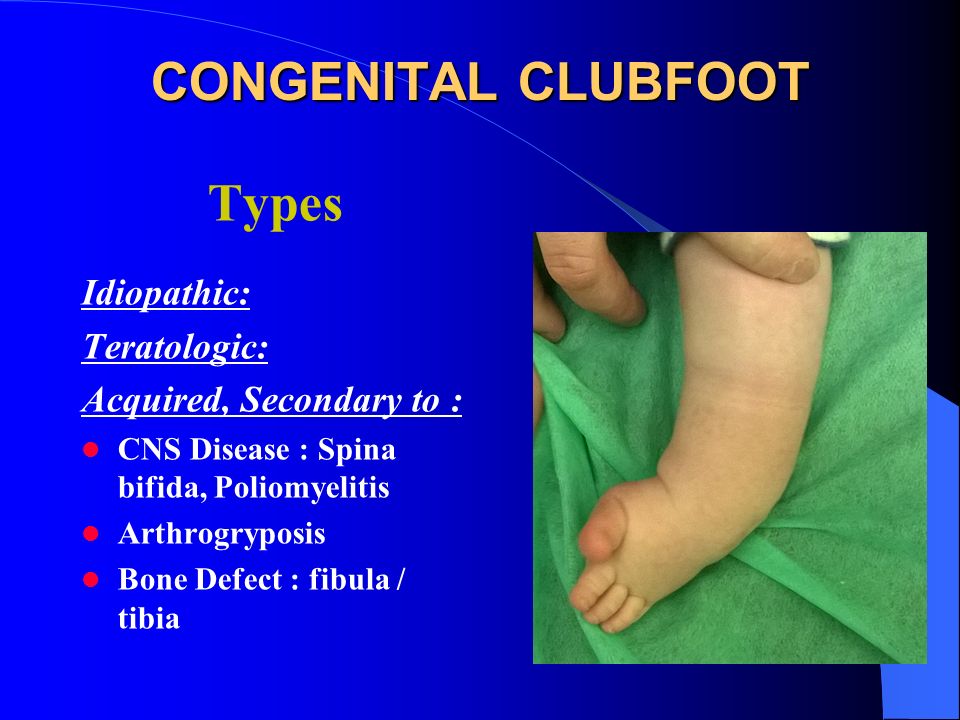
Congenital Clubfoot Congenital Talipes Equino Varus Ppt Video Online Download

Clubfoot Wikipedia

Talipes Club Foot Health

Nursing Care Plan Clubfoot Or Talipes Equinovarus Nursing Crib
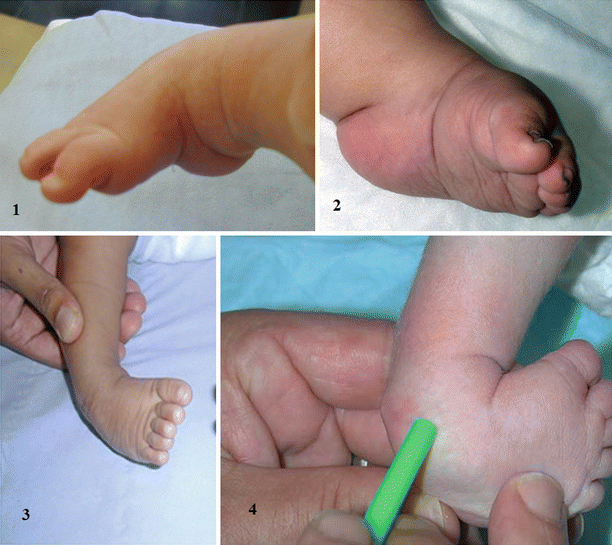
Evidence Based Treatment For Clubfoot Springerlink
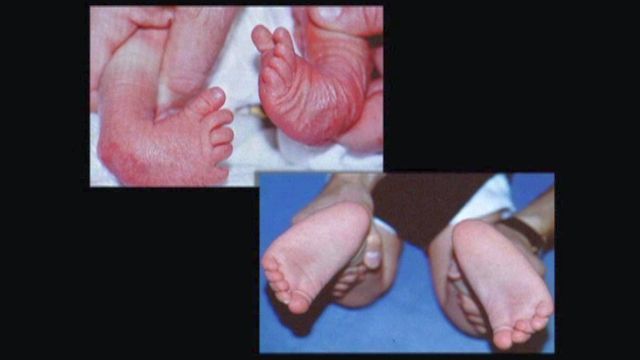
Health Beat Clubfoot Most Common Birth Defect You Ve Never Heard Of Health Wfmz Com

Clubfoot
Talipes Calcaneovalgus
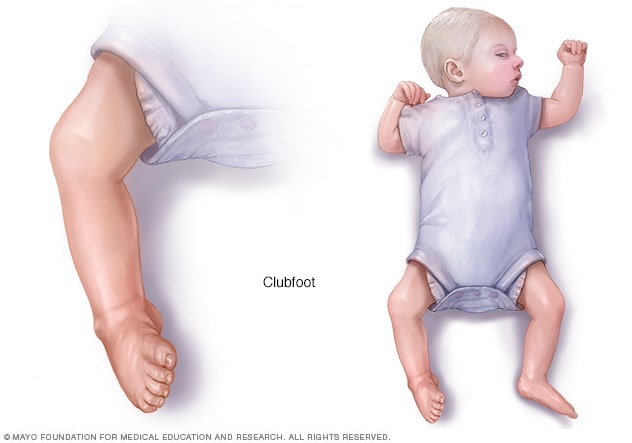
Clubfoot Symptoms And Causes Mayo Clinic
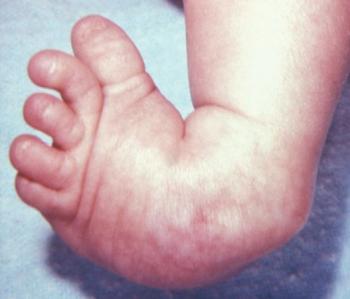
Clubfoot Causes And Treatments
Congenital Talipus Equino Varus Physiotherapy Treatment In Ahmedabad

Congenital Talipes Equinovarus Or Club Foot Bone And Spine
Frontiers Developing A Three Dimensional 3d Assessment Method For Clubfoot A Study Protocol Physiology

Clubfoot Congenital Talipes Equinovarus Pediatrics Orthobullets

Clubfoot Symptoms Stages Definition Description Demographics Causes And Symptoms Diagnosis

Clubfoot Closeup Of A Newborn Stock Photo Download Image Now Istock

Clubfoot Boston Children S Hospital

Foot Deformities Various Talipes Conditions Pediatric Physical Therapy Pediatric Nursing Medical Terms
Club Foot Nhs

2 Congenital Talipes Flip Ebook Pages 1 50 Anyflip Anyflip

Clubfoot Phenotype In Pma Pma Mice Human Newborn With Congenital Download Scientific Diagram

Club Foot Talipes Equinovarus Ankle Foot And Orthotic Centre

Club Foot Congenital Talipes Equinovarus About Club Foot Patient
Congenital Idiopathic Talipes Equinovarus Before And After Walking Age Observations And Strategy Of Treatment From A Series Of Cases Journal Of Orthopaedics And Traumatology Full Text
1
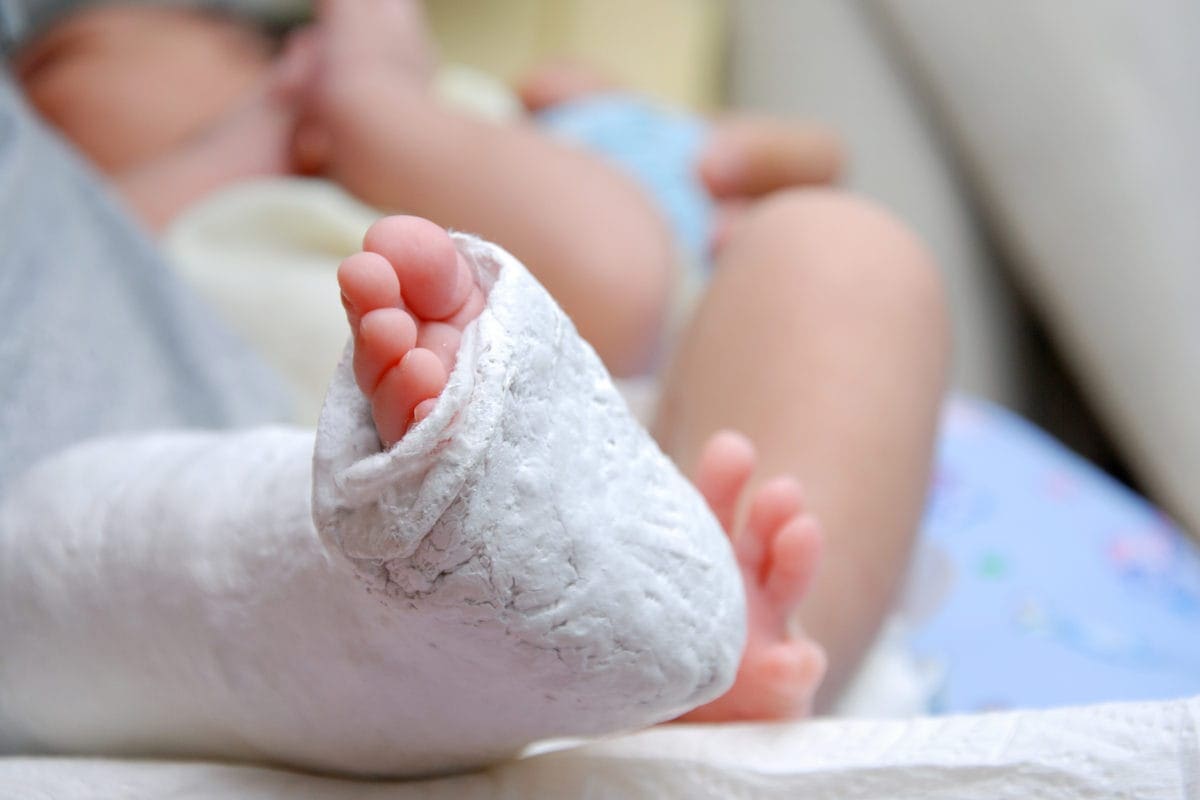
What Is Clubfoot Symptoms And Treatment Familydoctor Org
/GettyImages-976611020-532e1800b14b4c89aec1f2f6a855f199.jpg "Newborn Baby Foot Problems And Deformities")
Newborn Baby Foot Problems And Deformities
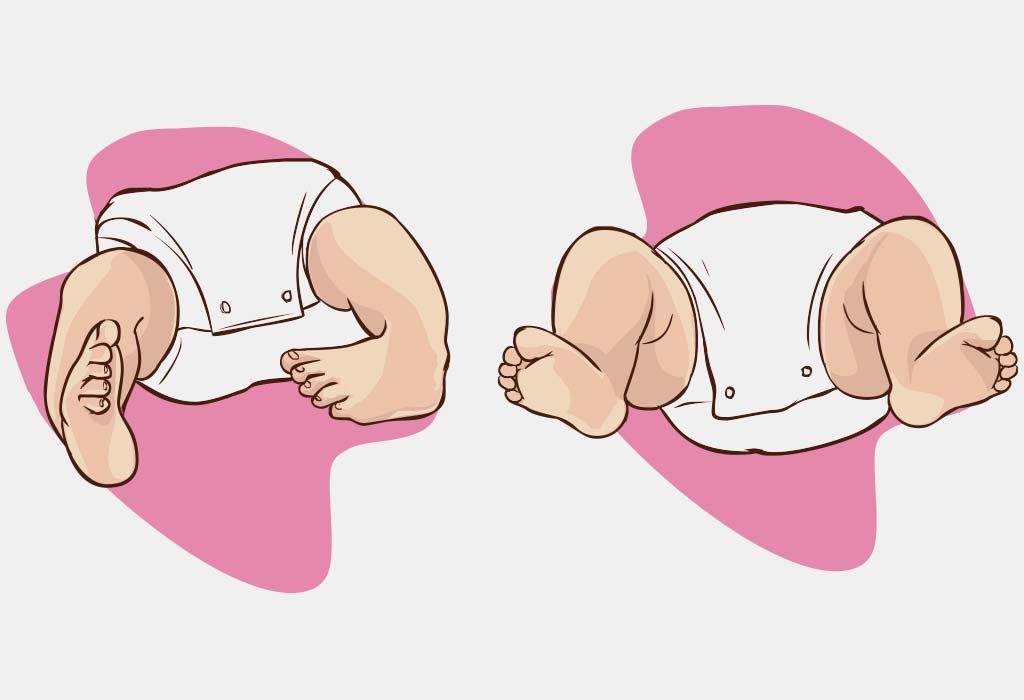
Congenital Talipes Equinovarus Or Clubfoot Causes And Treatment
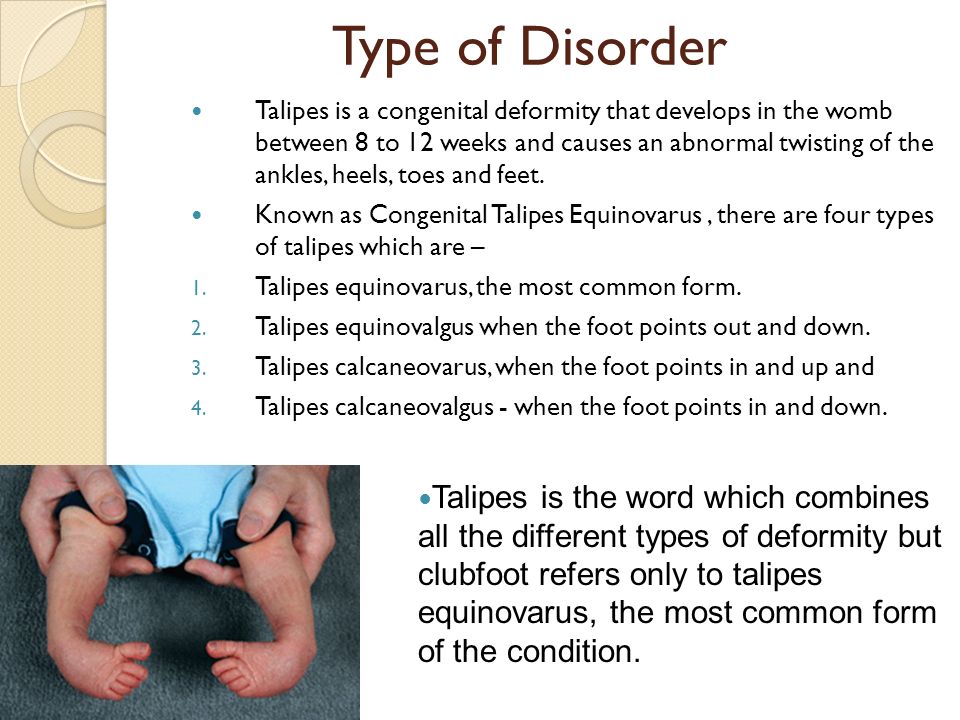
By Cassie Maier What Is Club Foot Club Foot Is When One Or Both Babies Feet Are Turned Inward And Downward And Cannot Be Put Into Normal Position Easily Ppt Download
Escholarship Org

Clubfoot Pdf Pied Medecine Clinique
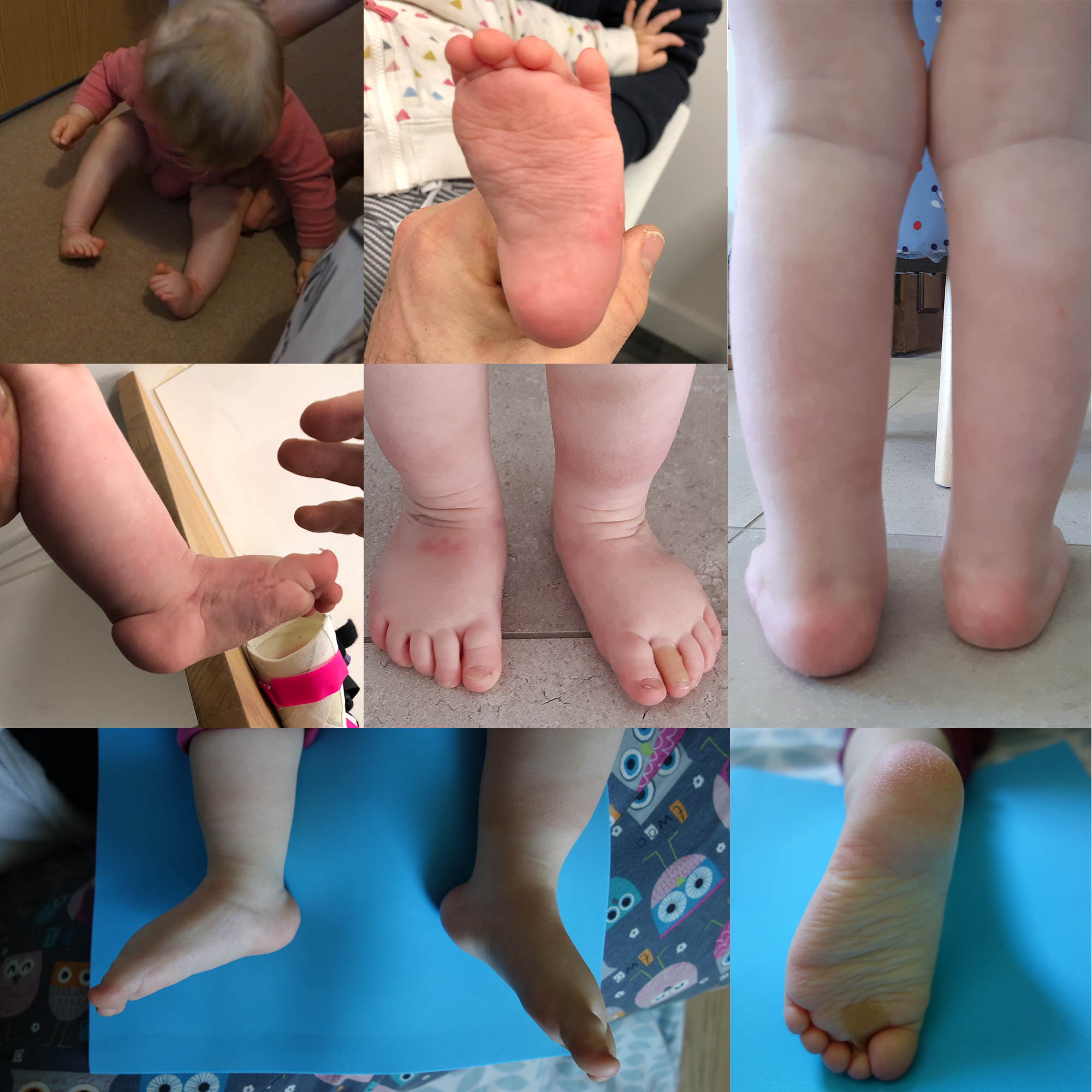
Club Foot Faqs
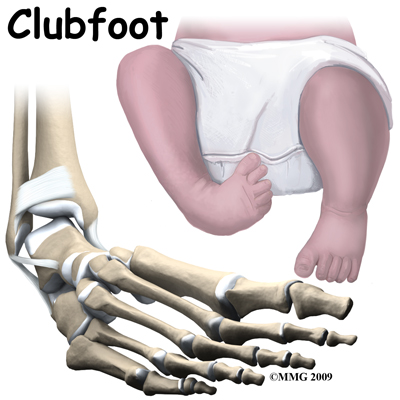
Physical Therapy In Plymouth For Pediatric Issues Clubfoot
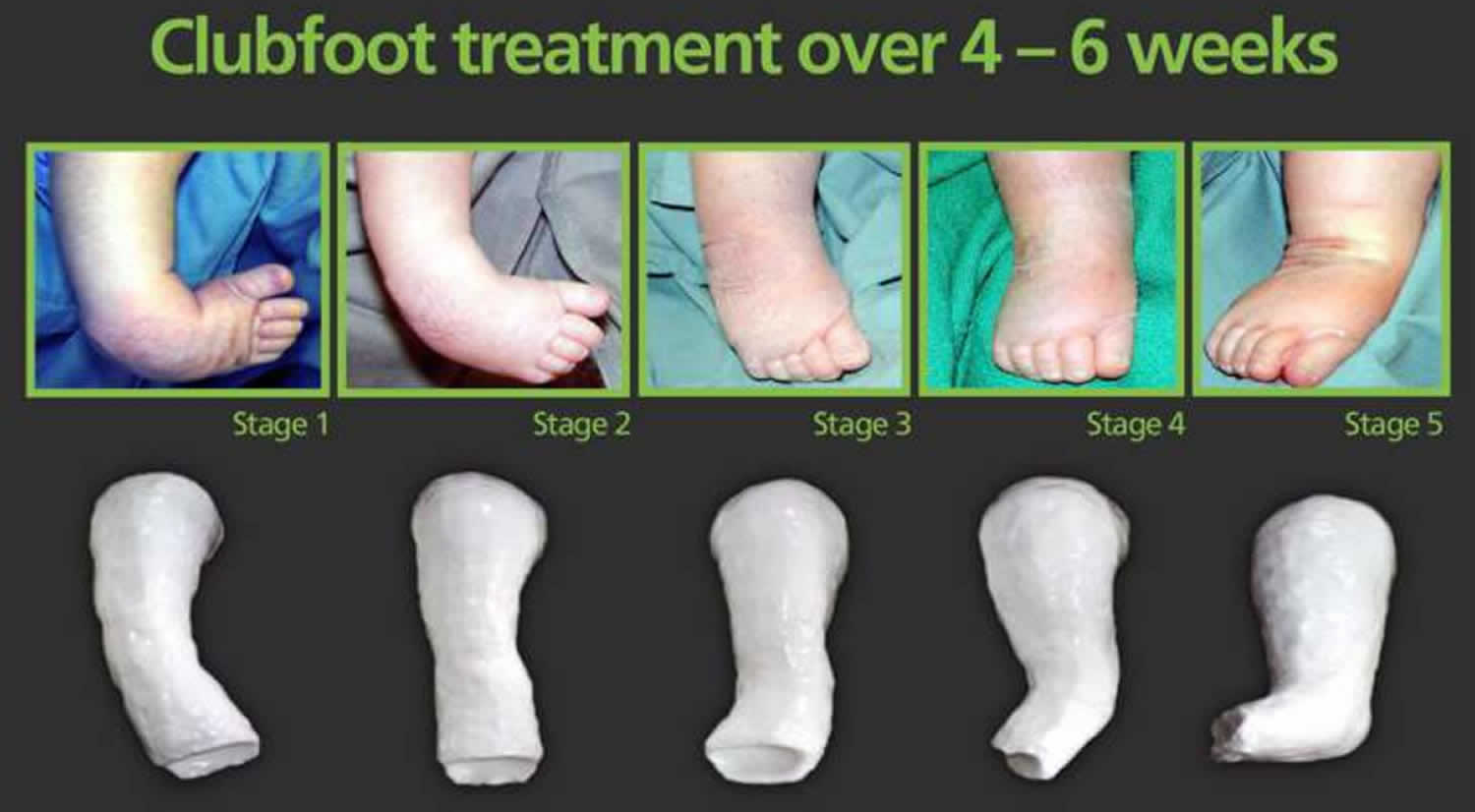
Ponseti Method For Clubfoot Treatment

Congenital Idiopathic Clubfoot Prevention Of Late Deformity And Disability By Conservative Treatment With The Ponseti Technique Pediatric Annals

Club Foot Congenital Talipes Equinovarus The Nepali Doctor
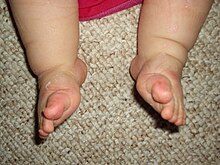
Clubfoot Wikipedia
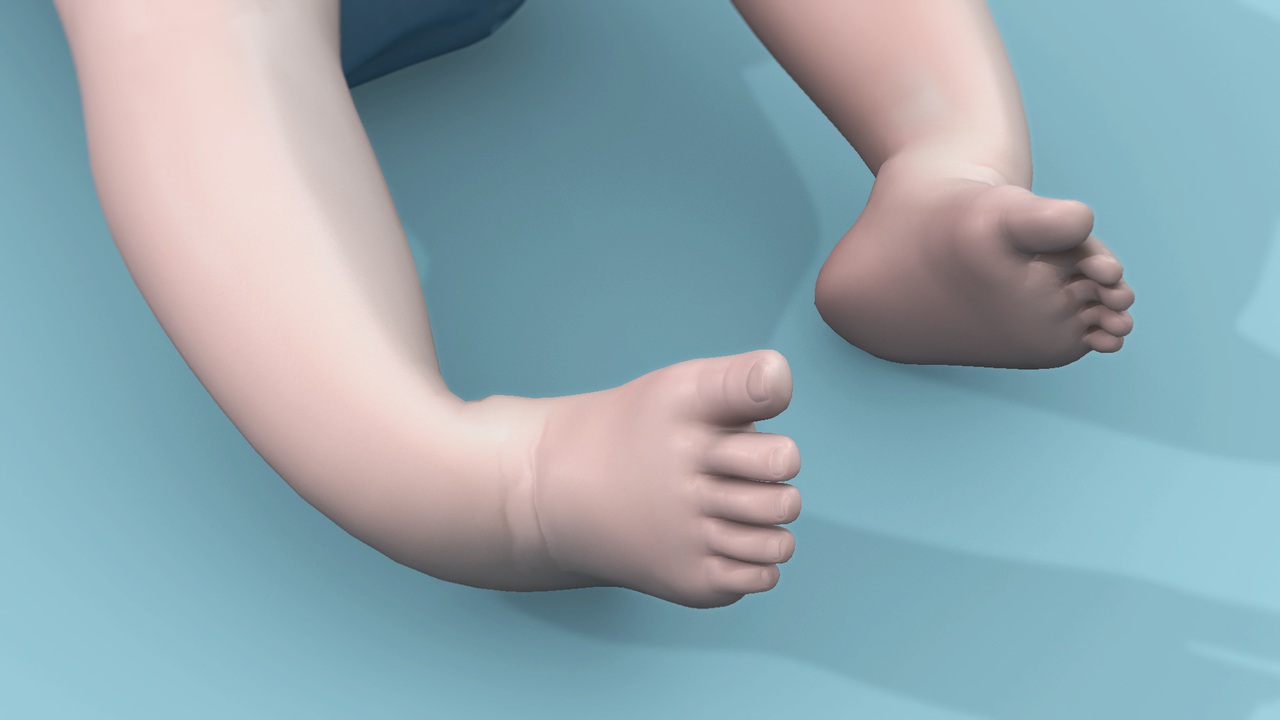
Clubfoot Talipes Equinovarus Resurgens Orthopaedics

Congenital Talipes Equinovarus Clubfoot Nursing Care Management Pediatric Physical Therapy Medical Dictionary Medical Anatomy
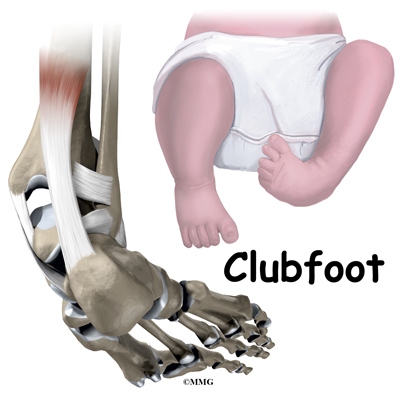
Clubfoot Eorthopod Com
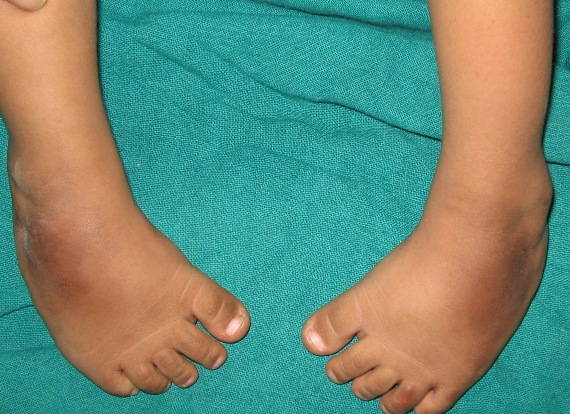
Congenital Talipes Equinovarus Or Club Foot Bone And Spine
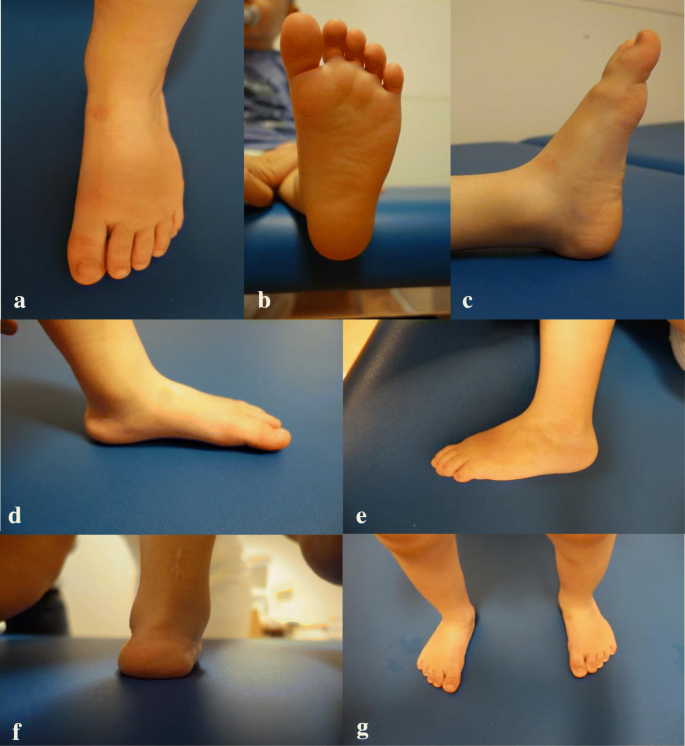
Is Unilateral Lower Leg Orthosis With A Circular Foot Unit In The Treatment Of Idiopathic Clubfeet A Reasonable Bracing Alternative In The Ponseti Method Five Year Results Of A Supraregional Paediatric Orthopaedic Centre
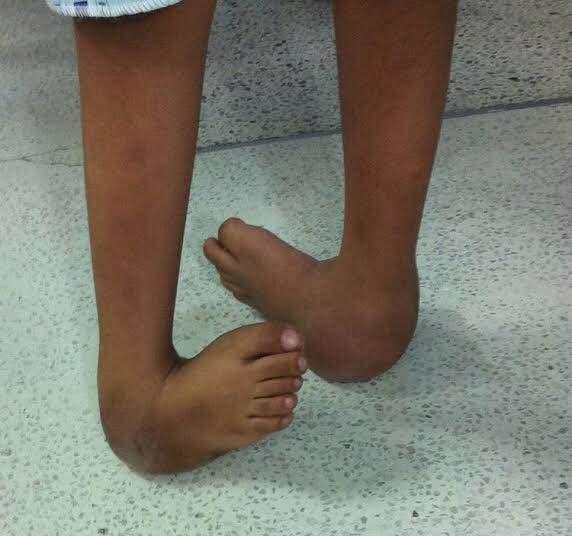
About 100 000 Nigerians Suffer Clubfoot Yearly Noa
Tandfonline Com
Clubfoot Orthoinfo os
Clubfoot And Other Foot Defects Children S Health Issues Merck Manuals Consumer Version
Clubfoot What Is Clubfoot What Causes Clubfoot Who Gets Clubfoot What Are The Symptoms Of Clubfoot
Clubfoot Congenital Equinovarus Cev Team Bone

Pdf Current Conservative Management And Classification Of Club Foot A Review Semantic Scholar
Congenital Club Foot In Child Kerala Nurses Hub Youtube
Clubfoot Deformity Footeducation

Current Concepts With The Ponseti Technique

Healthinfo Canterbury
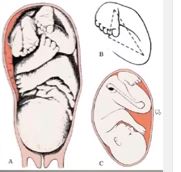
Introduction To Clubfoot Physiopedia
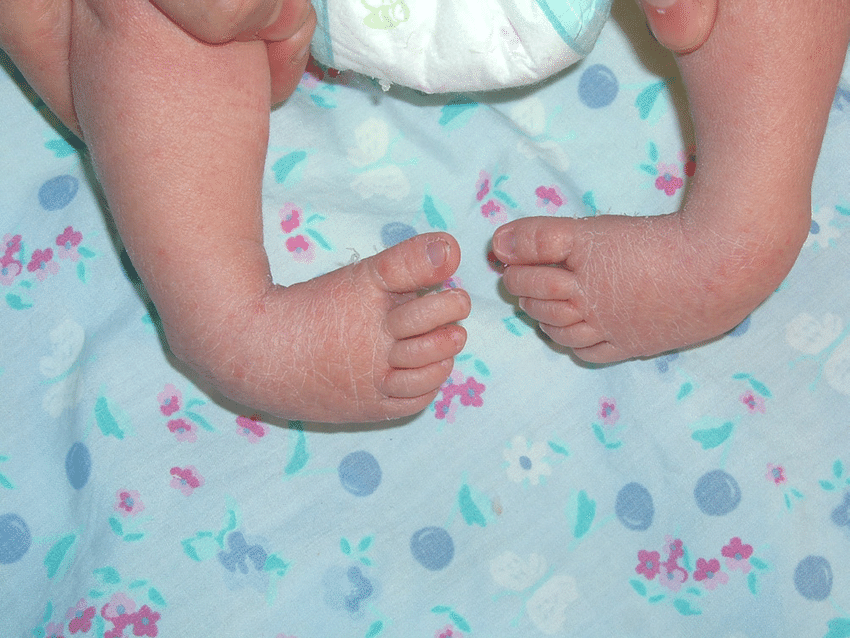
Congenital Talipes Equinovarus Clubfoot Nursing Care Management Nurseslabs

Clubfoot Boston Children S Hospital
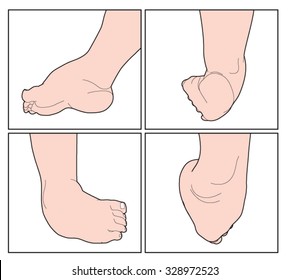
Clubfoot High Res Stock Images Shutterstock

Prevalence And Characteristics Of Congenital Talipes Equinovarus Clubfoot In Northern Ghana A Two Year Retrospective Descriptive Study African Journal Of Current Medical Research
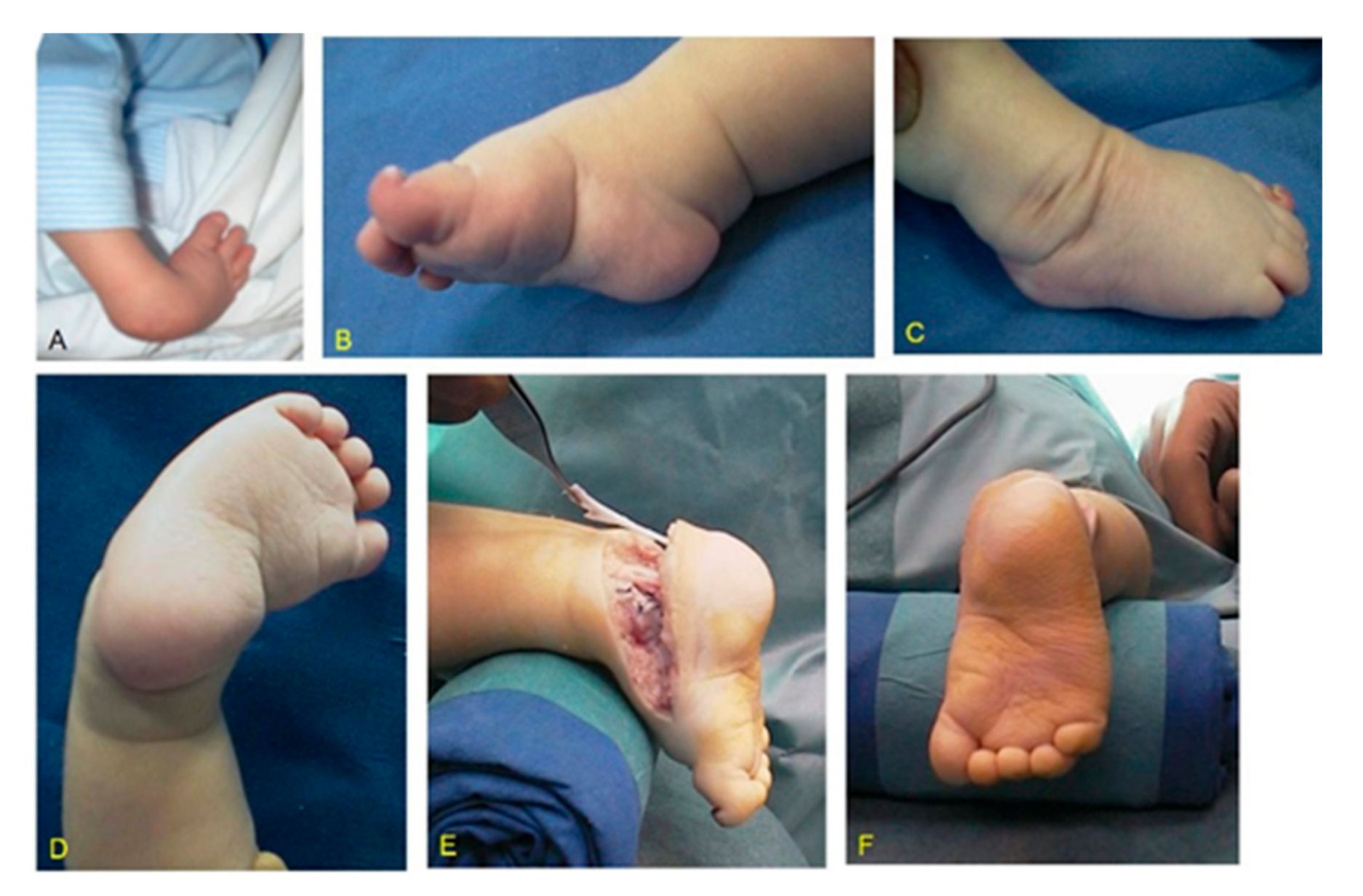
Children Free Full Text Surgical Treatment Of Clubfoot In Children With Moebius Syndrome Html

Club Foot Symptoms And Treatment
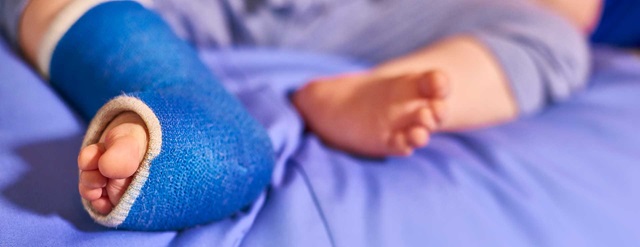
Clubfoot Johns Hopkins Medicine
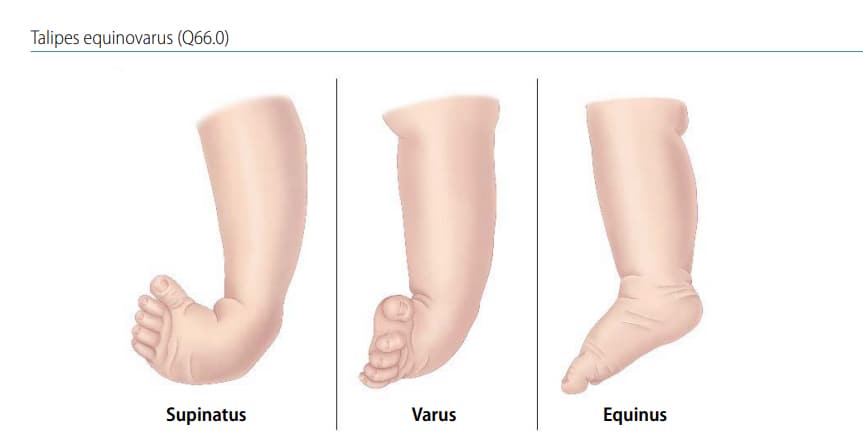
Chapter 4 9 Talipes Equinovarus Talipes Equinovarus Q66 0 Cdc

Club Foot
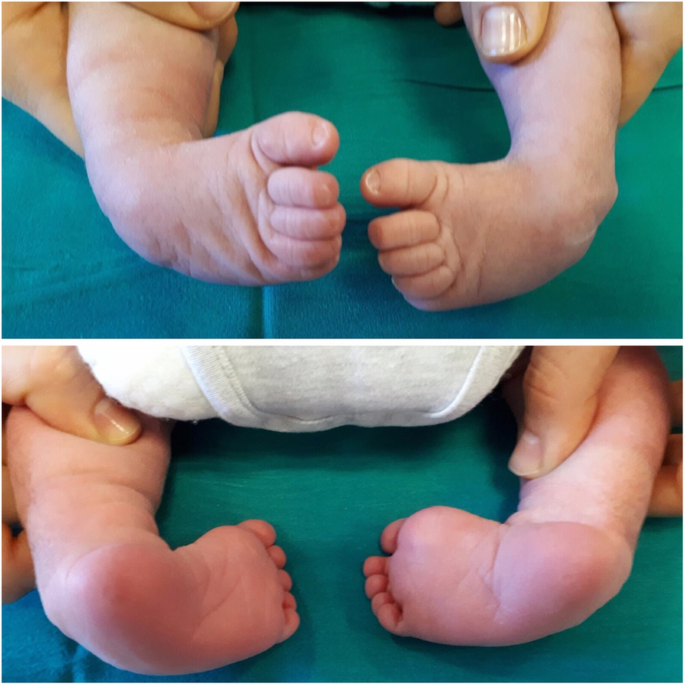
What A Paediatrician Should Know About Congenital Clubfoot Italian Journal Of Pediatrics Full Text

References In Development Of An Orthosis For Simultaneous Three Dimensional Correction Of Clubfoot Deformity Clinical Biomechanics

Congenital Talipes Equinovarus Clubfoot Orthopaedicprinciples Com

Talipes Equinovarus Clubfoot And Other Foot Abnormalities Pediatrics Merck Manuals Professional Edition

Clubfoot Artemisia Panou Md Phd


